The Knock Of Death At The Eastern Gate
The winter was cold and merciless, and a tireless caravan pressed along the icy paths of Northeastern Europe. Their journey was long. They had set off together at the end of January from the capital of Czechia, beautiful Prague, reached the Polish plains quite quickly, and passed through Poznań and Warsaw. From there, they resolutely headed north and, initially avoiding the warlike tribes of Lithuania, reached Riga on the Gulf of Livonia. On January 26, they were first seen on Estonian soil, and on that evening they were heard in Tallinn, hosted by Black Revalia. Without sparing themselves and without wasting a single day, the travelers crossed the frozen sea and circled the southern part of Finland for three days, visiting Tampere, Turku, and Helsinki in succession. Then the caravan turned south again and, in the fading light of the penultimate day of January, entered the domains of Tarbatu.
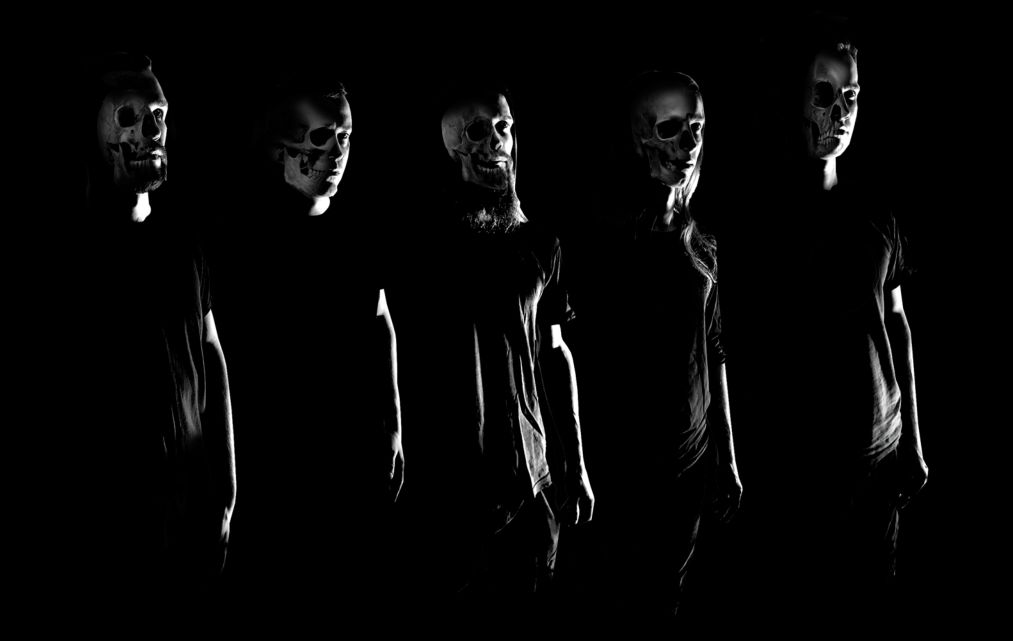
The caravan consisted of three parts, three groups, whose devotion to the worship of hellish noise had brought them together and made them join forces. The goal they had set themselves would have been clearly insurmountable if attempted separately – the conditions here in the extreme depths of winter in the North were too difficult and hostile for that. However, by supporting and encouraging each other, the unholy journey turned out to be quick and efficient. The names of the groups were Kringa, Fides Inversa and Death Worship, three black metal groups from different corners of the world, and their tour bore the ominous title “Death Knocks At The Eastern Gate”.
Tarbatu was ready, the news of the arrival had reached all the devotees. The distant wanderers and the Tarbatians who were arranging a dignified reception for them (led by the organizers of the Tarbariitus festival) first gathered in the black-painted rooms of the “Rock & Roll” club. They carried countless instruments, machinery and other stuff, set up the sound system for the soon-to-begin performances with religious devotion and prepared for the arrival of those attracted to the event. The latter did not keep themselves waiting long. When the doors officially opened at 6 pm, people dressed in black, the chosen ones who had become at home with the demanding style of extreme metal, began to pour into the club, both alone and in small groups.
The sound technical touches took a little longer than originally planned, but the wait – not a hardship among the right crowd – was worth it.
In fact, four bands could be seen and heard on stage that night. The three aforementioned names were joined on site by another one, Hasswald, who had been born in the dark sandstone tunnels of Tarbatu itself, giving the opening chords to the event. Little is known about the duo-trio with a pagan soundscape but a deep existential message, still for devotees it is certainly no longer an unknown name. With four epic songs, Hasswald set the tone for the rest of the evening.
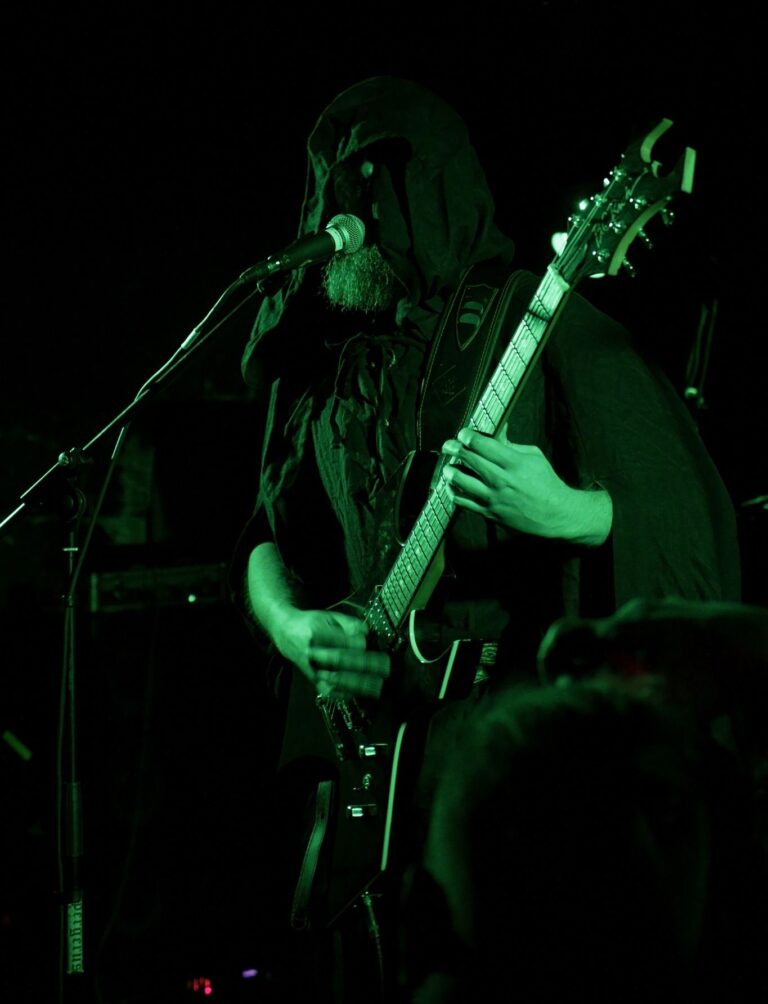
Kringa, originating from Austria, had already seen the paths of Estonia before – in the winter of 2023, they performed at the “Howls Of Winter” festival with great recognition. The quarte didn’t let up this time either, directing to the hall an energy flow filled with rough riffs as atmospheric as the frost itself cracking the fence posts outside. It was even a good thing that the tired stone walls of the house didn’t crack from all this, but if the building that is home to the rock club is to collapse in the near future, we can at least point to the root cause.
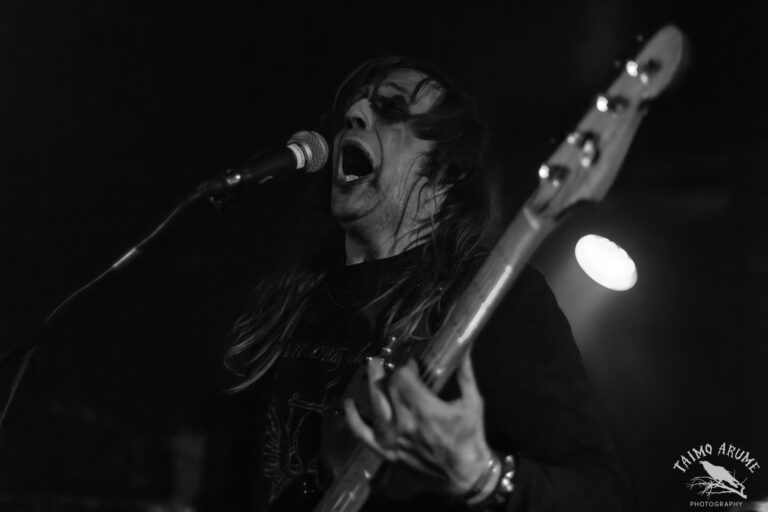
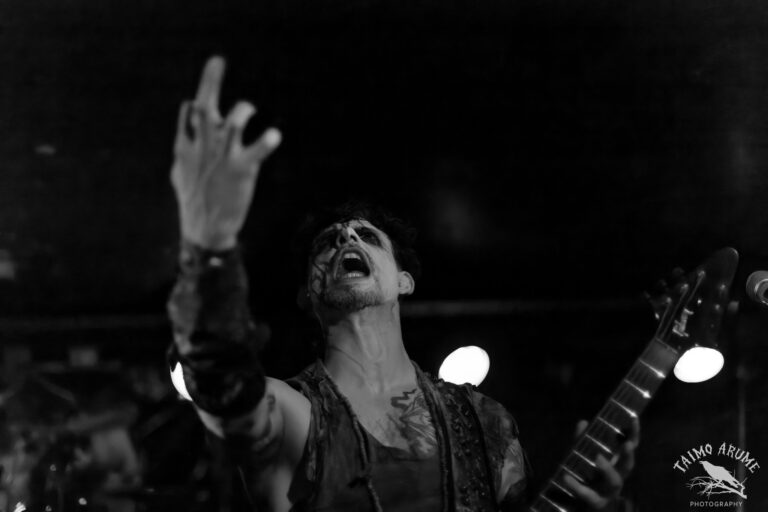
Fides Inversa, a band that sprang from Italy and gathered forces from elsewhere over time, had also managed to maintain its sharpness throughout the entire trip in a mysterious way known only to them. Once the band’s engine was started, it only occasionally slowed down a little during their time on stage. The Norwegian black metal veteran vocalist Wraath, spewing venom and other evil, fiercely defeated the microphone stand. The momentum didn’t stop there.
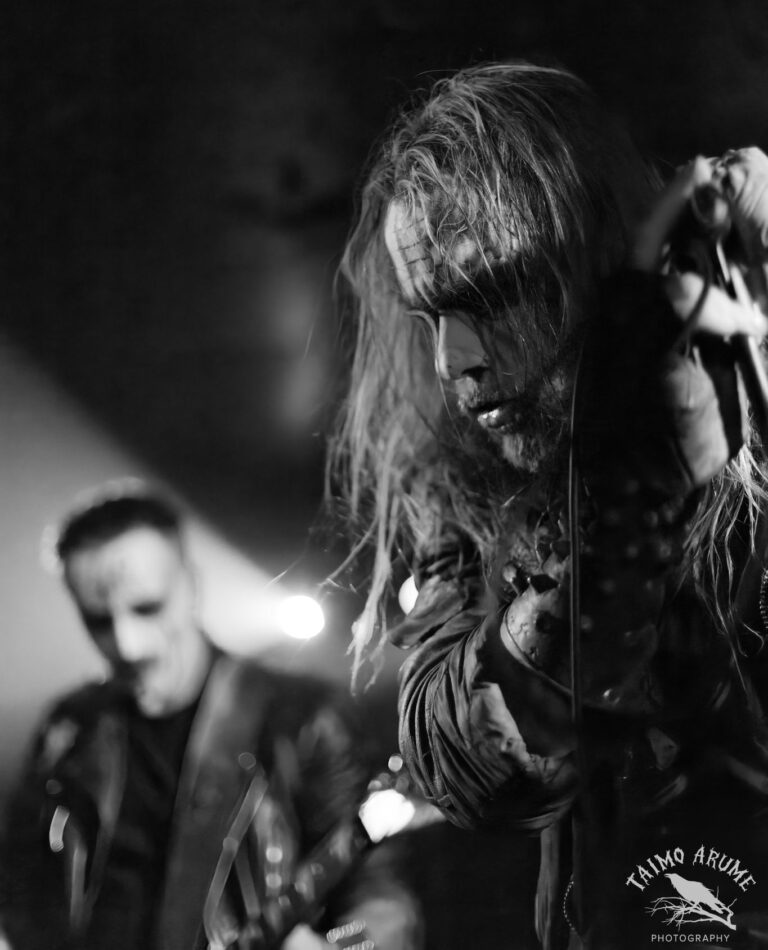
Death Worship had formed its line-up thanks to the unholy Canadian-German military alliance and in turn represented the unholy alliance of black/death metal, also known as war metal among certain circles. They knew this area unmistakably, even if blindfolded – men belted in cartridges and chains, fueled concrete high-octane outbursts of rage, just as the command boards of the genre have demanded. Those present were satisfied; that’s exactly what they had gathered here for.
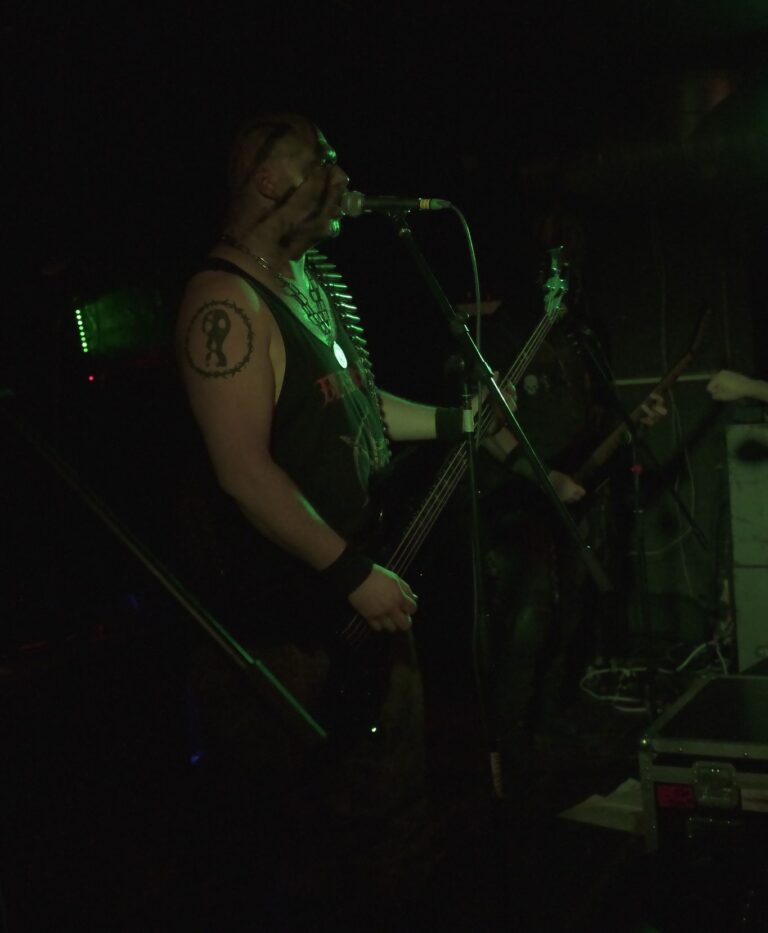
The club fell silent exactly by the hour of midnight. The three-faction company packed their weary bodies and equipment into their vehicles under the cold stars of the night sky and soon continued their journey south. The next evening they were already decisively facing off against the Lithuanians at the festival “Vilkų Žiema” (’Winter Of Wolves’) in Vilnius. The last performance of the tour was planned in the Polish city of Gdynia on the Baltic Sea. Although rumors of the further fate of Kringa, Fides Inversa and Death Worship have not reached my ears, I believe that they managed to maintain the initial momentum and ended their journey to the cold northern provinces of Europe (at least more or less) on a victorious note. The Tarbatians mostly stayed home to continue their interrupted hibernation and its feverish mind-numbing dreams. Only a few are said to have initially moved south with the caravan, but by all accounts even they are now back home.